How to Pay for Careem Rides with Crypto: 3 Methods That Work in 2026

Careem does not accept cryptocurrency directly. There is no Bitcoin option at checkout, no USDT toggle in the payment settings, and no blockchain integration on the roadmap. But if your financial life runs on crypto, especially in the UAE, Saudi Arabia, or anywhere else in the MENA region, you still have practical ways to pay for every Careem service with your digital assets.
This guide covers three working methods to pay for Careem rides, food delivery, and grocery orders with crypto in 2026. Each method comes with real fee breakdowns, step-by-step instructions, and honest trade-offs so you can decide which approach costs the least for your situation.
Before diving into crypto workarounds, it helps to know what payment methods Careem supports natively. As of March 2026, Careem accepts four payment types:
- Cash: still the most popular option across the MENA region
- Credit/debit cards: Visa and Mastercard, stored in the app
- Apple Pay: available on iOS devices
- Careem Pay: Careem's built-in digital wallet, which can be topped up via debit card
Careem does not accept PayPal, Google Pay directly, or cryptocurrency in any form. It does accept prepaid Visa and Mastercard cards, which opens the door for crypto-funded payments.
Careem operates across 70+ cities in 9 countries: the UAE, Saudi Arabia, Egypt, Jordan, Kuwait, Qatar, Bahrain, Iraq, and Morocco. The app covers rides (Go, Business, Kids, Hala taxis), food delivery, grocery delivery via Careem Quik, bike rentals, and bill payments through Careem Pay. With over 48 million registered users, it is the dominant super-app in the region.
This is the most direct path from crypto wallet to Careem ride. You purchase a Careem gift card (also called a voucher or eGift card) on a third-party platform using Bitcoin, USDT, SOL, or other cryptocurrencies. The gift card code gets redeemed in the Careem app, adding credit to your Careem Pay wallet.
- Go to a gift card platform like Bitrefill, CoinGate, Coinsbee, Cryptorefills, or Bidali
- Select a Careem gift card for your country (UAE, Saudi Arabia, Jordan, or Kuwait, since availability varies by platform)
- Choose a denomination and pay with your preferred cryptocurrency
- Receive the gift card code instantly via email or on-screen
- Open the Careem app, go to Careem Pay > Wallet, and redeem the code
- The credit appears in your Careem Pay wallet and applies automatically to rides, food, and grocery orders
| Platform | Countries | Crypto Accepted | Markup | Delivery |
|---|---|---|---|---|
| Bitrefill | UAE, Jordan, Kuwait | BTC, ETH, USDT, USDC, SOL, LTC, DOGE, Lightning | ~0% | Instant |
| CoinGate | UAE, Saudi Arabia | BTC, ETH, USDT, 70+ coins | ~0% | Instant |
| Coinsbee | UAE, Saudi Arabia | BTC + 200 altcoins | ~0% | Instant |
| Cryptorefills | Saudi Arabia, UAE | BTC, ETH, USDT, USDC, Lightning, Solana, Polygon | ~0% | Instant |
| Bidali | UAE, Saudi Arabia | BTC, ETH, SOL, USDC, USDT, AVAX, ALGO | ~0% | Instant |
Most platforms sell Careem gift cards at face value with no explicit markup. The real cost is the blockchain network fee you pay when sending crypto, which makes your choice of network critical:
- Bitcoin Lightning: Near-zero fees, settles in seconds. Best option where supported.
- USDC/USDT on Solana: Fees under $0.01, confirms in under a second. Ideal for stablecoin holders.
- Ethereum mainnet: Gas fees of $1 to $10+ depending on congestion. Avoid for smaller gift card amounts.
- Bitcoin on-chain: Fees typically $0.50 to $5 with 10+ minute confirmation.
Careem gift cards come with restrictions you should know before buying:
- Validity: The eGift card code must be redeemed within 3 months of purchase. Once redeemed, the Careem Pay credits are valid for 60 days from redemption.
- Non-refundable: Third-party platforms do not offer refunds once the code is delivered.
- Region-locked: A UAE Careem gift card works only in the UAE. Saudi Arabia cards work only in KSA. Make sure you buy the right country variant.
- Not redeemable for cash: Credits cannot be withdrawn, only spent on Careem services.
Pros:
- No KYC required on most platforms (Bitrefill, Coinsbee, Bidali)
- Exact value loaded with no conversion spread on the Careem side
- Works for rides, food delivery, grocery orders, and other Careem services
- Fast, since gift card codes arrive instantly
Cons:
- Fixed denominations mean leftover credit sits unused until your next Careem order
- Credits expire 60 days after redemption, so you use them or lose them
- Buying a gift card with crypto is a taxable event in most jurisdictions
- Country availability is limited, and not all platforms offer all Careem markets
A crypto debit card is the most flexible approach. Instead of buying Careem-specific gift cards, you load a Visa or Mastercard prepaid card with crypto and add it directly to the Careem app. The card works for rides, food, groceries, Careem Pay wallet top-ups, and any other service in the app, plus everywhere else that accepts Visa or Mastercard.
- Sign up for a crypto card provider and get a virtual or physical card
- Fund the card with USDC, USDT, SOL, BTC, or other supported crypto
- Open the Careem app and go to Profile > Cards and Accounts > Add Card
- Enter your card number, expiration date, and CVV
- Your crypto-funded card appears as a payment option for all Careem services
- Book a ride, order food, or shop groceries, and the card handles crypto-to-fiat conversion automatically
The entire setup takes under five minutes if you already have crypto in a wallet. From Careem's perspective, it is a standard card transaction with nothing crypto-specific about the payment.
Here is what a typical 50 AED (~$13.60) Careem ride actually costs in crypto fees across different cards:
| Card | Top-Up Fee | Per-Transaction Fee | FX Fee | Total Fee on 50 AED Ride |
|---|---|---|---|---|
| SolCard Platinum | 0% | -- | 0 -- 1.5% | $0 -- $0.20 |
| SolCard Virtual | 5% ($0.68) | -- | 1 -- 2% | $0.82 -- $0.95 |
| RedotPay | See RedotPay's fees | Not published | 0% | Not published |
| Bybit Card | 0.9% | $0 | 0% (EUR zone) | ~$0.12 |
| MetaMask Card | Not published | Varies | 0% (EU/UK) | Not published |
A few important notes for the MENA region:
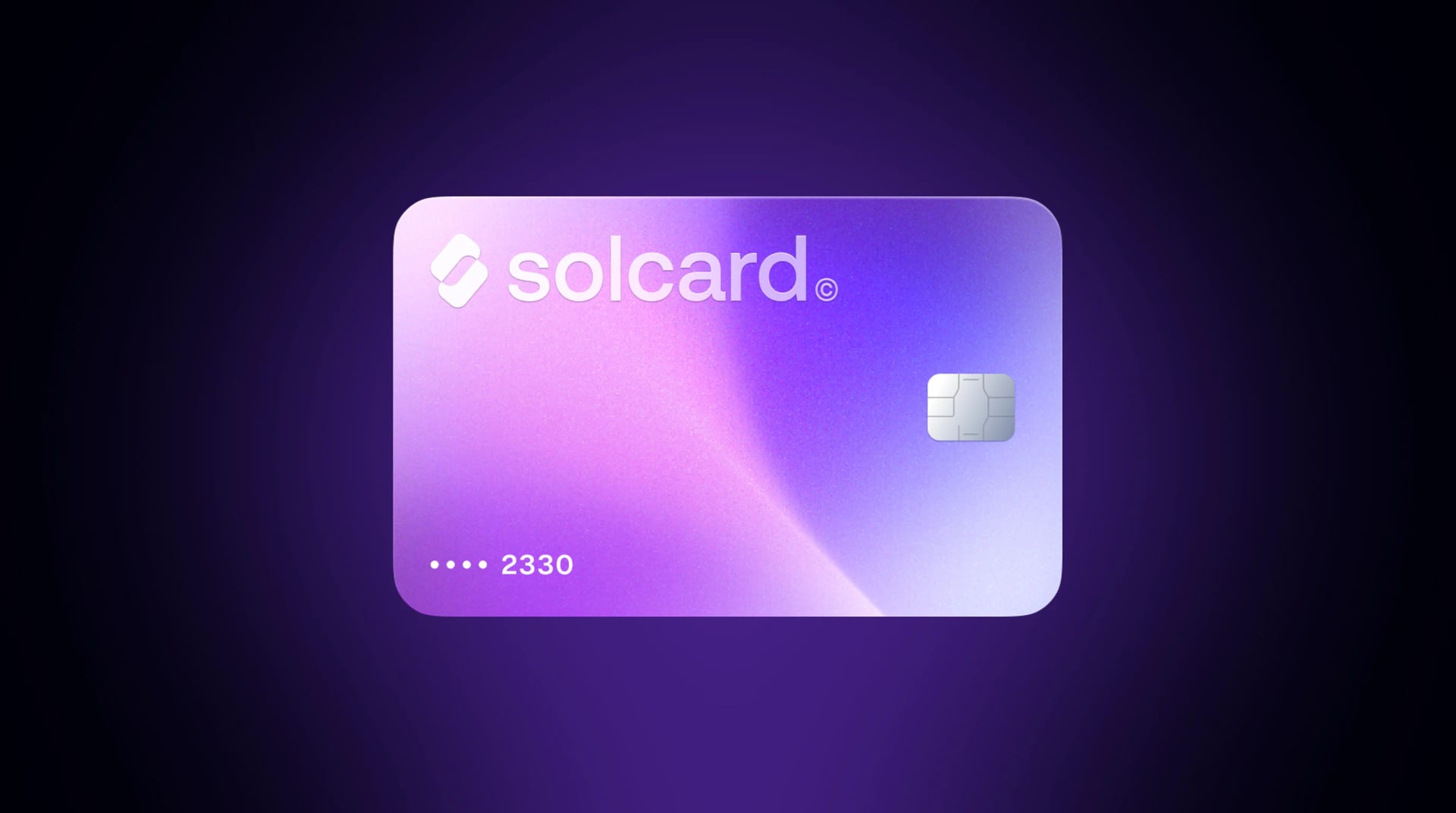
- SolCard Platinum charges 0% top-up fee. It supports Apple Pay and Google Pay, works in 200+ countries, and accepts USDC, USDT, SOL, and SOLC across 9+ networks including Solana, Ethereum, Polygon, BSC, and Base. The FX fee ranges from 0 to 1.5% since Careem charges in local currency (AED, SAR, EGP, etc.) and the card converts from USD. It does not offer a cashback program.
- SolCard Virtual skips KYC entirely but carries a 5% top-up fee. On a 50 AED ride, that adds ~$0.68 in fees. For frequent Careem users, the Platinum tier saves significantly more over time.
- Regional availability matters. Some crypto cards (like the Coinbase Card and BitPay Card) are restricted to the US or Europe and do not work in the MENA region. SolCard and RedotPay both work globally via Visa/Mastercard rails, making them practical options for UAE, Saudi, and Egyptian users.
For a full breakdown of crypto card options, see our best crypto debit cards comparison.
Careem treats crypto-funded prepaid cards exactly like regular bank cards. Here is the process:
- Open the Careem app and tap the three lines (top right)
- Go to Profile > Cards and Accounts
- Tap Add+ next to the Cards section
- Enter your card number, expiration date (MM/YY), and CVV
- Tap Verify Card and follow the 3DS authentication prompts
- The card is now saved and available as a payment method
Make sure your crypto card issuer has enabled international online transactions. Some cards require you to toggle on "international transactions" or "online payments" in the card settings before Careem will accept the card.
If your crypto card supports Apple Pay (like SolCard Platinum), you can also select Apple Pay directly in the Careem app as your payment method, with no need to enter card numbers manually.
Pros:
- Works for all Careem services: rides, food, groceries, bike rentals, Careem Pay top-ups
- No fixed denominations, so you can spend any amount
- Same card works at 150M+ merchants worldwide, not just Careem
- Some cards work without KYC (like SolCard Virtual)
- Can be added to Apple Pay for faster checkout in the Careem app
- No expiration on loaded funds (unlike gift card credits)
Cons:
- Fees stack up: top-up fees + per-transaction fees + FX conversion
- Spending crypto through a card is a taxable event in most countries
- Card issuance fees apply ($10 for SolCard, varies for others)
- FX fees are unavoidable since Careem charges in local MENA currencies (AED, SAR, EGP)
- You are trusting the card provider with custodial funds
This is a variation of Method 2 that some users prefer. Instead of paying per-ride with your crypto card, you top up your Careem Pay wallet with a lump sum using your crypto-funded card. Then you pay for everything in the app using your Careem Pay balance, with no card needed at the point of each transaction.
- Fund your crypto debit card with stablecoins (USDC or USDT recommended)
- Open the Careem app and tap Pay on the homepage
- Go to Balance under Wallet & Payments
- Tap Top-up Wallet and enter the amount you want to load
- Select your crypto-funded card as the payment method
- Confirm, and the amount is added to your Careem Pay wallet
Once your Careem Pay wallet has a balance, select Careem Pay as your payment method when booking rides or ordering food. The wallet balance is used first automatically.
- Batch your fees. If your crypto card charges a per-transaction fee, topping up your Careem Pay wallet once with a lump sum means you pay that fee only once instead of on each individual ride.
- Faster checkout. Careem Pay is stored locally in the app, so there is no card authorization delay at pickup.
- Budget control. Loading a set amount into Careem Pay creates a natural spending cap for the month.
- Careem does not support credit card top-ups for Careem Pay. Only debit cards work for wallet loading. Most crypto prepaid cards are classified as debit/prepaid, which should work, but results can vary by card issuer and region.
- You still pay the crypto card's FX conversion fee on the top-up transaction.
- Careem Pay wallet funds are non-withdrawable. Once loaded, they can only be spent within Careem.
Here is what a typical 50 AED (~$13.60) Careem ride costs in crypto-side fees depending on your method:
| Method | Crypto Fee | Notes |
|---|---|---|
| Gift card (Lightning/Solana) | ~$0.01 | Near-zero network fees, but credits expire in 60 days |
| Gift card (ETH mainnet) | ~$2 -- $8 | Gas fees make this expensive for small amounts |
| SolCard Platinum (per-ride) | ~$0 -- $0.20 | 0% top-up + 0-1.5% FX. Works for everything, not just Careem |
| SolCard Virtual (per-ride) | ~$0.82 -- $0.95 | 5% top-up + FX. No KYC required |
| SolCard Platinum (wallet top-up) | ~pennies/ride | Single top-up fee spread across multiple rides |
Gift cards via Lightning or Solana are the cheapest per-transaction, but they come with expiration dates and region locks. A crypto debit card costs slightly more per ride and works universally. If you ride Careem regularly, batch-loading your Careem Pay wallet with a crypto card gives you low per-ride fees plus universal flexibility.
The MENA region is one of the fastest-growing crypto markets in the world, and the intersection with ride-hailing is no accident.
The UAE received over $30 billion in crypto inflows between mid-2023 and mid-2024, representing roughly 10% of MENA's total crypto volume. Dubai's Virtual Assets Regulatory Authority (VARA) has licensed dozens of exchanges including Binance, OKX, and Bybit. Approximately 1 in 4 UAE adults holds or trades cryptocurrency. And since November 2024, most virtual asset transactions in the UAE are exempt from the 5% VAT.
For the estimated 500,000+ daily active crypto traders in the UAE, being able to spend those assets on everyday services like Careem rides is a natural extension of how they already manage money.
Saudi Arabia's crypto economy grew 154% year-over-year by mid-2024, making it the fastest-expanding market in the region. The regulatory framework is still developing under SAMA (the Saudi Central Bank), but individual crypto holders face no capital gains tax. Careem is deeply embedded in Saudi daily life, available in Riyadh, Jeddah, Mecca, Medina, and dozens of other cities, which makes it one of the most frequent payment destinations for crypto card holders in the kingdom.
Across the region, stablecoins like USDT and USDC are gaining market share over volatile assets like Bitcoin and Ethereum. This aligns with how crypto payments work best in practice: load a card or buy a gift card with stablecoins, avoid volatility risk entirely, and keep tax reporting simple.
If you are interested in the broader state of crypto payments in 2026, the MENA region is leading the way in real-world adoption.
Here is the complete process from zero to a crypto-paid Careem ride:
-
Get a card. Visit SolCard and choose Virtual (no KYC, issued in ~30 seconds, 5% top-up fee) or Platinum (KYC required, 0% top-up fee, Apple Pay/Google Pay). The $10 issuance fee is one-time.
-
Top up. Send USDC or USDT to your SolCard wallet. For regular Careem usage in the UAE, loading $50 to $100 worth of stablecoins covers a week or two of rides. On Solana, the top-up confirms in under a second with fees under $0.01.
-
Add the card to Careem. Open the Careem app, navigate to Profile > Cards and Accounts, and add your SolCard details. Or, if you are on the Platinum tier, add SolCard to Apple Pay and select Apple Pay as your Careem payment method.
-
Book a ride. Open Careem, enter your destination, select your ride type (Go, Business, Hala), confirm that your SolCard or Apple Pay is selected as the payment method, and tap to book.
-
Done. Careem processes the charge as a normal Visa/Mastercard transaction. The crypto-to-fiat conversion happens automatically. Your ride costs whatever Careem charges plus any applicable FX markup.
The same card works for Careem Food deliveries, Careem Quik grocery orders, and Careem Pay wallet top-ups. And when you are not using Careem, it works at any of the 150M+ merchants that accept Visa or Mastercard worldwide.
Every method in this guide triggers a taxable event in most jurisdictions. Whether you buy a gift card, swipe a crypto debit card, or sell crypto, spending crypto means disposing of a capital asset. Our guide on spending crypto without triggering taxes covers this in detail.
Here is the short version:
- Volatile crypto (BTC, ETH, SOL): If the asset appreciated since you bought it, you owe capital gains tax on the difference. Tracking cost basis per transaction is required.
- Stablecoins (USDC, USDT): Since stablecoins stay near $1, gains are typically negligible. Tax reporting is much simpler.
- UAE-specific: The UAE does not impose capital gains tax on individuals for crypto disposals, making it one of the most tax-friendly environments for crypto spending.
- Saudi Arabia-specific: Individual crypto holders in Saudi Arabia currently face no capital gains tax. Businesses may face a 15% capital gains tax plus a 2.5% zakat levy.
Using stablecoins for Careem payments is the simplest approach in any jurisdiction. You avoid both volatility risk and complex tax calculations.
There is no single best answer. It depends on how often you use Careem and what matters most to you:
- You want the cheapest per-ride cost: Buy Careem gift cards through Bitrefill or Coinsbee with Bitcoin Lightning or USDC on Solana. Network fees are under $0.01, and there is no markup. Just remember the 60-day credit expiration.
- You want privacy (no KYC): Gift cards from Bitrefill require no identity verification. SolCard Virtual also works without KYC but carries a 5% top-up fee.
- You want one card for everything: SolCard Platinum works at Careem and 150M+ merchants globally with 0% top-up fees. It supports Apple Pay, works in 200+ countries, and accepts stablecoins across 9+ networks. It does not offer cashback.
- You ride Careem daily: Top up your Careem Pay wallet with a lump sum from your crypto card. This batches any per-transaction fees across many rides, dropping the per-ride crypto cost to pennies.
- You are in the UAE or Saudi Arabia: You benefit from zero or minimal capital gains tax on crypto spending. Pair stablecoins with any method above for the most straightforward experience.
For most Careem users who also hold crypto, a crypto debit card is the most practical long-term solution. Gift cards work well for occasional use, but a card that handles Careem, restaurants, groceries, and everything else from a single crypto balance saves time and hassle.
Traveling beyond the region? The same approach applies to paying for Grab with crypto across Southeast Asia and paying for food delivery with crypto on apps like Careem Food and DoorDash.
No. Careem does not accept Bitcoin, Ethereum, USDT, or any cryptocurrency as a direct payment method. Careem supports cash, credit/debit cards, Apple Pay, and Careem Pay wallet. To use crypto for Careem, you need to convert it first, either by buying a Careem gift card with crypto, using a crypto debit card, or topping up your Careem Pay wallet through a crypto-funded card.
Buying a Careem gift card through Bitrefill or Coinsbee using Bitcoin Lightning or stablecoins on Solana is the cheapest method. Network fees are under $0.01, and platforms charge no markup on the gift card face value. For card-based payments, SolCard Platinum's 0% top-up fee makes it one of the most cost-effective options among cards that work globally in the MENA region.
Yes. Any crypto-funded Visa or Mastercard prepaid/debit card works with Careem in the UAE. Add it to the Careem app under Profile > Cards and Accounts, just like any regular bank card. Cards that support Apple Pay (like SolCard Platinum) can also be used through the Apple Pay option in Careem.
Yes. Careem eGift card codes must be redeemed within 3 months of purchase. Once redeemed, the credits in your Careem Pay wallet are valid for 60 days. This is a significant difference from platforms like DoorDash or Amazon where gift card balances never expire. Plan your purchases accordingly.
It depends on your jurisdiction. In the UAE, there is no capital gains tax for individuals on crypto disposals. In Saudi Arabia, individual crypto holders also face no capital gains tax currently. In most other countries, spending crypto, whether via gift cards or debit cards, is a taxable event. Using stablecoins (USDC, USDT) minimizes tax complexity since their value stays near $1. See our guide on crypto taxes when spending for details.
Yes. All three methods in this guide work for every Careem service: rides, Careem Food delivery, Careem Quik grocery delivery, Careem Bike rentals, and Careem Pay services. Gift card credits apply to all Careem services within the app. A crypto debit card added to Careem works for any transaction type. There is no difference in how Careem processes the payment whether you are booking a ride or ordering groceries.
Cards that work globally via Visa/Mastercard rails are your best options, since US-only or EU-only cards (like BitPay or Coinbase Card) will not function in the MENA region. SolCard works in 200+ countries and issues cards in ~30 seconds. RedotPay is another option that works globally. The key factors to compare are top-up fees, per-transaction fees, FX conversion rates, and whether KYC is required. See our best crypto debit cards guide for a full comparison.
Yes, but with a caveat. Careem supports debit card top-ups for the Careem Pay wallet but does not support credit card top-ups. Most crypto prepaid cards are classified as debit or prepaid cards, which should work. Some card issuers or regions may behave differently, so test with a small top-up amount first to confirm it processes before loading a large balance.